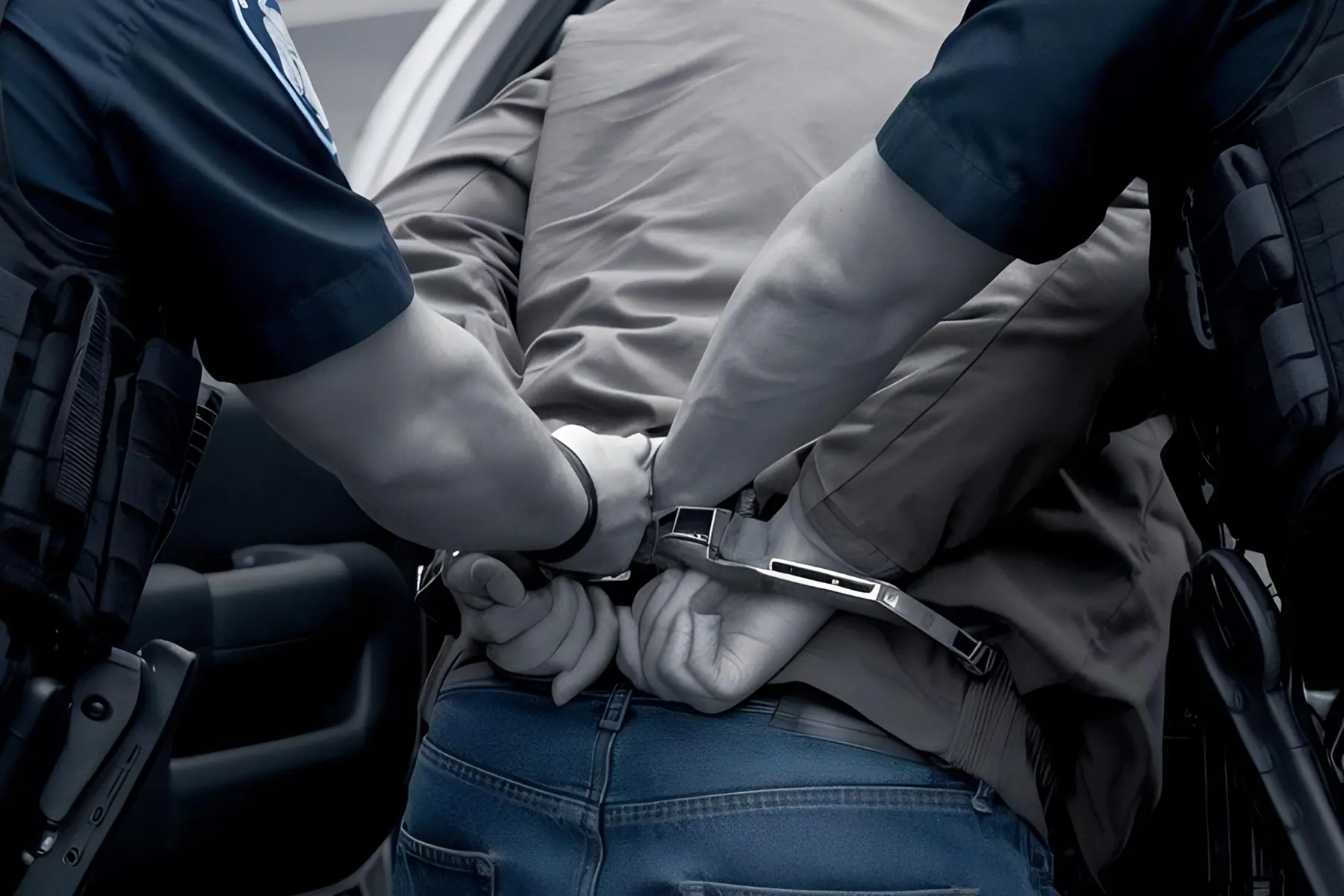

According to the Bureau of Justice Statistics, large state and local law enforcement agencies received more than 26,000 citizen complaints about police use of force in a single year. Many never led to any formal consequences. Others reflected conduct that crossed into misconduct. That line matters: for someone injured during a police encounter, or a family searching for answers after a loved one was harmed, getting the distinction right is often the first step toward knowing whether a legal claim exists.
What Is Considered Lawful Police Force?
Officers are authorized to use force under specific conditions. Courts have drawn boundaries around that authority, but those boundaries were written with real-world, split-second decisions in mind.
The Reasonable Force Standard
In Graham v. Connor, 490 U.S. 386 (1989), the U.S. Supreme Court established that police use of force is evaluated against an “objective reasonableness” standard. The question is whether the officer’s response was reasonable given the facts at the time, not how things look in hindsight from a courtroom.
Situational Judgment
Courts look at the seriousness of the suspected crime, whether the person presented an immediate physical threat, and whether they were resisting or fleeing. Each of those factors can shift how much force is legally permissible in the moment.
Public Safety Factors
Officers can also use force to protect bystanders or stop a dangerous situation from getting worse. Proportionality is the threshold: force that matches the actual threat is generally lawful; force that far exceeds it often is not.
What Qualifies as Police Misconduct?
When an officer exercises force, authority, or legal process in a way that violates someone’s constitutional rights, that is misconduct. The categories below are the most common, though individual cases often involve more than one.
Excessive Force
Excessive force is what most people picture first: an officer applying more force than the situation called for, whether that means striking a restrained person, using a chokehold without justification, or firing at someone who posed no real threat. These situations can give rise to a police brutality claim against the officer, the department, or both.
False Arrest
An arrest made without probable cause or a valid warrant is a false arrest, even if charges never materialize. The harm is real: a wrongful arrest disrupts employment, damages reputation, and strips a person of their freedom, however briefly.
Unlawful Searches
The Fourth Amendment bars unreasonable searches and seizures. A search of a home, car, or person without a warrant or an applicable exception is likely unconstitutional. Evidence collected during such a search may be thrown out in court.
Racial Profiling
Targeting someone based on race, ethnicity, or national origin, rather than specific observed behavior, violates the Equal Protection Clause. It appears in misconduct cases even when no physical force was involved. When profiling does produce physical injury, it can support both a civil rights action and a personal injury claim at the same time.
How Do You Prove a Police Brutality Case?
Cases live or die on evidence collected in the days immediately following an incident. Three types come up again and again.
Body Camera Footage
Recordings from body cameras and nearby security systems can resolve factual disputes that would otherwise come down to competing accounts. Agencies set their own retention schedules for this footage, so an attorney needs to act fast before it is overwritten or destroyed.
Witness Testimony
A bystander’s account that contradicts the official police version of events carries real weight in court. Those accounts need to be gathered quickly, before memories fade and before officers have an opportunity to speak with potential witnesses.
Medical Documentation
Treatment records establish what injuries occurred and when. Going to a hospital or urgent care right after an incident creates documentation that directly connects the physical harm to the police contact, which is frequently disputed in these cases.
Can You Sue for Civil Rights Violations?
Yes. Under 42 U.S.C. § 1983, individuals can file civil rights lawsuits against officers and municipalities when constitutional rights are violated under color of state law. Recoverable damages include medical expenses, lost wages, pain and suffering, and punitive damages where an officer’s conduct was especially egregious. Filing windows are shorter than most people realize, and missing a deadline ends the case before it starts.
What Customers Are Saying
Arnold E. Reed & Associates, P.C. has built a track record in civil rights and police misconduct litigation that includes a $4.5 million verdict against the City of Detroit.The firm also secured a $5 million settlement in a police misconduct death case. The firm’s attorneys have been featured on major national outlets, including CNN, MSNBC, ABC’s World News Tonight, and 60 Minutes.The firm’s media coverage and case results page documents those outcomes in detail.
Where to Get Legal Help for Police Misconduct in Detroit or Chicago
Delays cost cases. Surveillance footage gets deleted, witnesses move on, and filing deadlines pass. Find a police brutality lawyer in Detroit or Chicago who can step in quickly, preserve evidence, and give an honest assessment of what a claim may be worth.
Speak With a Civil Rights Attorney Today
Arnold E. Reed & Associates, P.C. has spent decades fighting civil rights and police misconduct cases across Michigan and Illinois, securing multi-million-dollar results for clients who needed a firm willing to take on difficult cases.
Contact the firm today to schedule a consultation.
Newsletter
Stay Updated
Subscribe to receive the latest news and insights directly to your inbox.